03 · Selected projects
Selected data, automation & product work.
Projects across business intelligence, data systems, workflow automation, AI products and technical delivery — from SQL pipelines and dashboards through to shipped applications.
Currently building
Currently building
01 · My active product · Private event networking
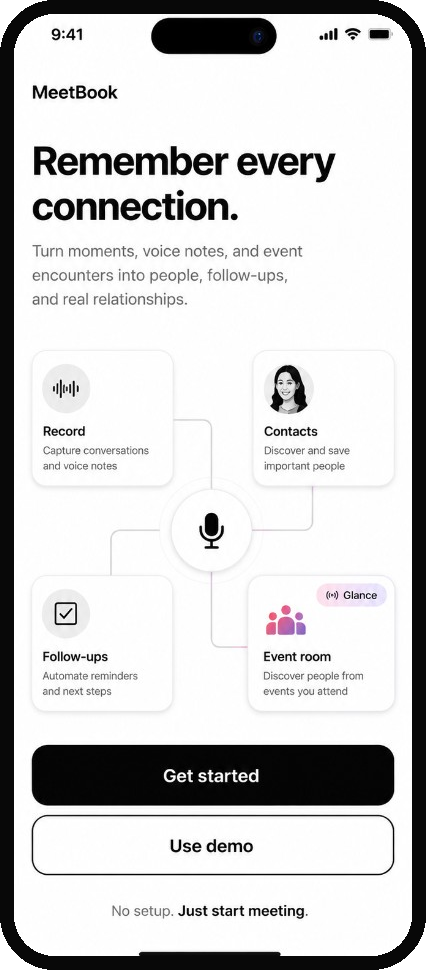
MeetBook → Nimo
Nimo is a private event contact book that helps people capture who they meet, remember the context behind each connection and follow up after the event.
Target user: People making connections at eventsProblem: Contact tools lose the context behind a meetingMy role: Founder · discovery · positioning · prioritisation · deliveryDeliverable: Launch-ready private contact and follow-up product
Originally developed as MeetBook, the product is now evolving into Nimo ahead of its October 2026 launch.
Launching 15 October 2026

View case study6 screens →
Private repository
ExpoTypeScriptAI notesGlance
Currently building · Freelance client project
02 · Client application · Local services
Bidly
A local-services marketplace where customers post a job, nearby providers bid, and the customer chooses using price, ratings, reviews and availability.
Target users: Namibian customers and service providersProblem: Local-service requests and offers are fragmentedMy role: Freelance application development and technical deliveryDeliverable: Working customer and provider application flows
Namibia

View case study6 screens →
Private client projectPrivate repository
ExpoTypeScriptSupabaseSelecomPay
Selected projects and experiments
03 · AI contract-intelligence product · Working prototype
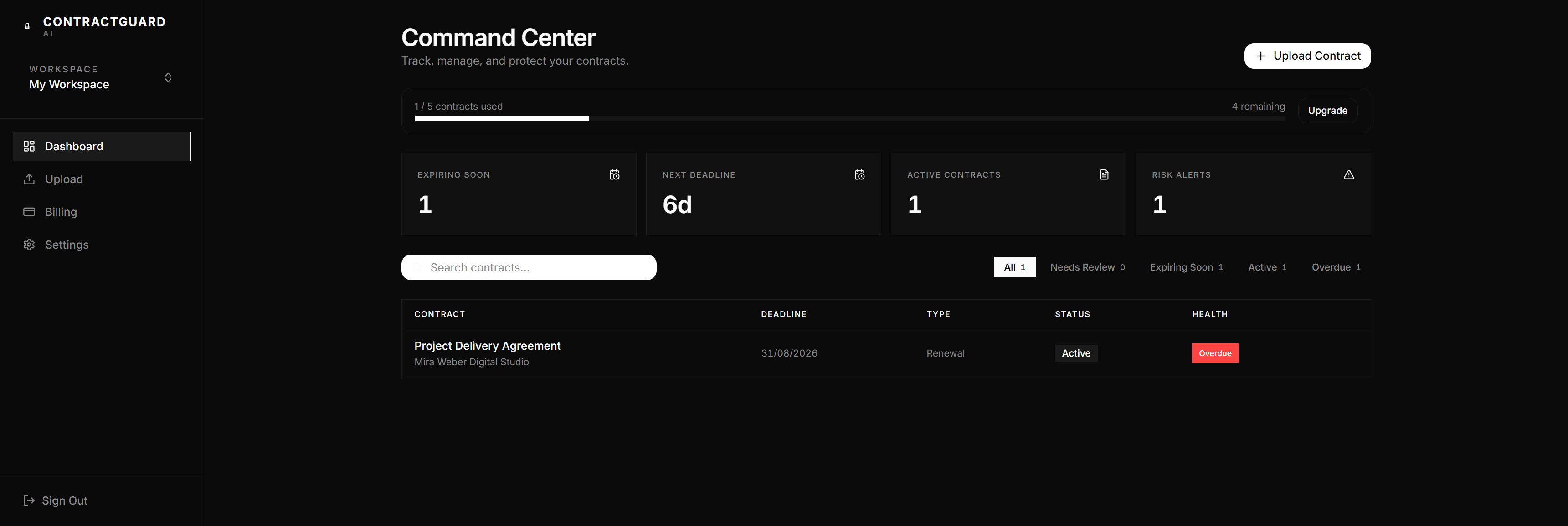
ContractGuard AI
A working prototype for teams that need to turn uploaded contracts into structured deadlines, risk signals and reviewable information.
Problem: Manual review makes key contract dates easy to missMy role: Product design · workflow definition · AI implementationDeliverable: Reviewable extraction and contract-tracking workflow
View case study7 screens →
ReactTypeScriptSupabasePostgreSQL
04 · Quantitative data systems · Public technical evidence
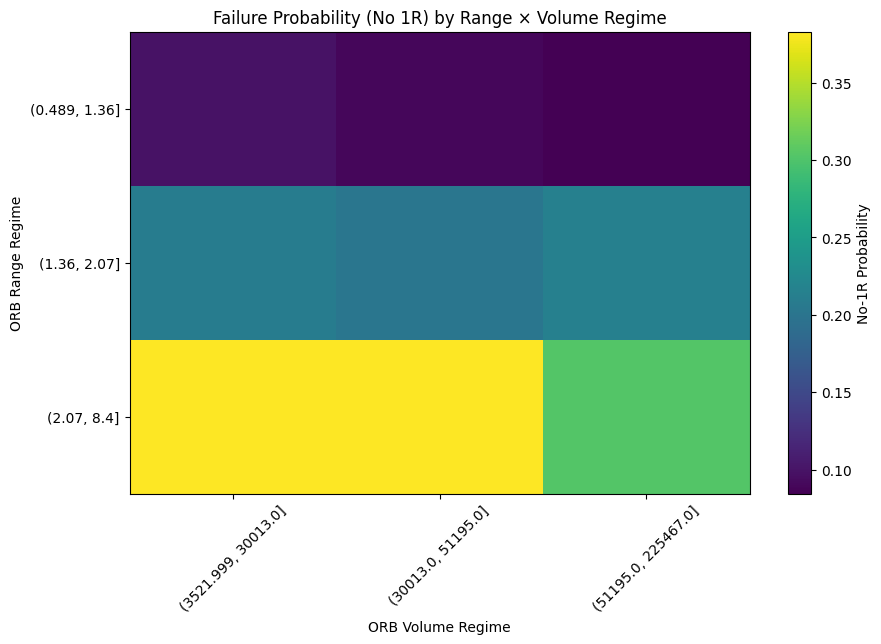
ORB Market Research Pipeline
A reproducible Python research system for five-minute QQQ market data — covering ingestion, rule-based strategy logic, validation, signal exploration, risk-aware analysis and backtesting foundations.
Problem: Quantitative hypotheses need validated market data, controlled logic and reproducible researchMy role: Research design · Python pipeline · validation · exploratory analysisDeliverable: Reproducible quantitative research foundation, not a profitability claim
View case studyResearch evidence →
PythonMarket dataRule-based logicBacktestingSignal processingRisk controls
05 · Enterprise AI-agent assurance product · Functional prototype
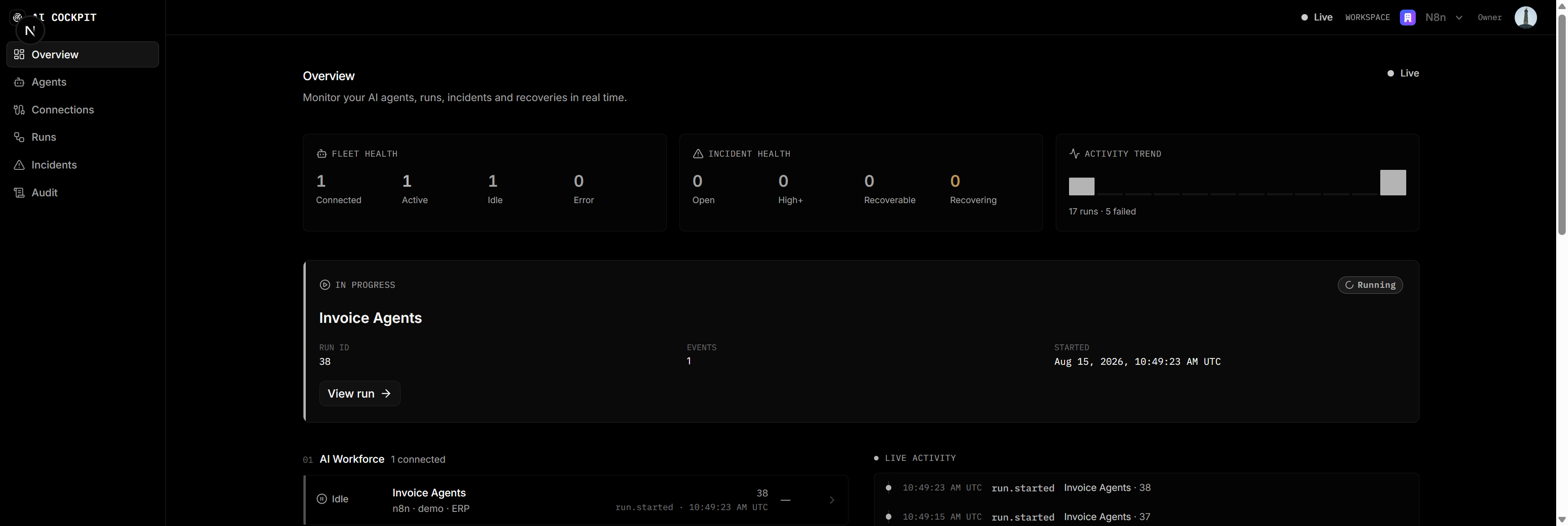
ACPT
An assurance product for enterprise teams that need workflow monitoring, investigation and audit evidence around AI-agent outcomes.
Problem: Technical execution success does not prove the right business outcomeMy role: Product strategy · assurance architecture · workflow design · implementationDeliverable: Phase 1 assurance and investigation prototype
View case study7 screens →
n8nAI assuranceAudit evidence